The campaign
The workshop served as a prelude to the global social media campaign running from May 1st to May 28th, 2026, under the theme “A Word A Day.” This initiative will feature 28 girls from 28 countries, each sharing a word that reflects their personal connection to menstrual health. By combining online outreach with offline engagement, the campaign aims to spark dialogue, raise awareness, and challenge long-standing taboos worldwide.
The workshop
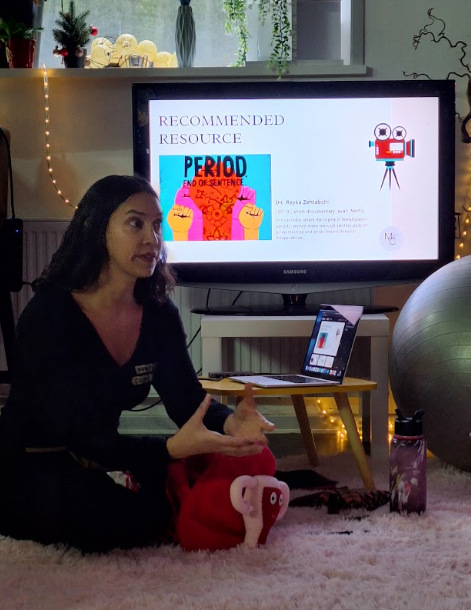
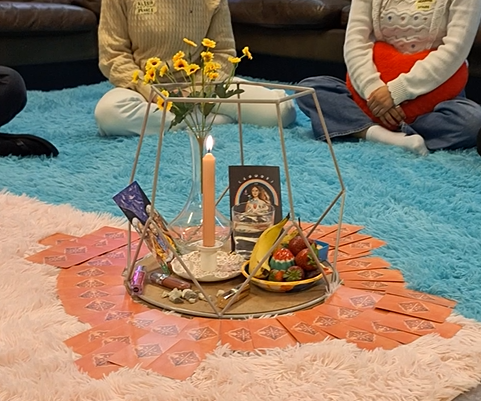
The April 14th gathering embodied this mission by creating a safe and welcoming space for open discussion. The evening began with a collaborative session led by M.Sc. Maité Cristina L. López, an emancipatory menstrual educator and sociologist specializing in human rights and peace education. Participants were invited into a reflective journey exploring historical perceptions of menstruation, the natural cycles of the body, and the importance of reclaiming knowledge through self-awareness.
Through guided dialogue, journaling, and shared reflection, attendees engaged in what was described as a “cycle remembrance journey.” The session emphasized softness, curiosity, and collective learning, encouraging participants to connect not only with their own experiences but also with the broader legacy of women who have paved the way for open conversations today.
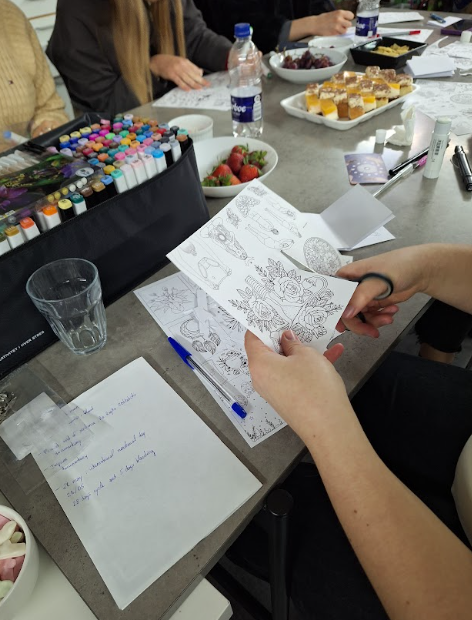
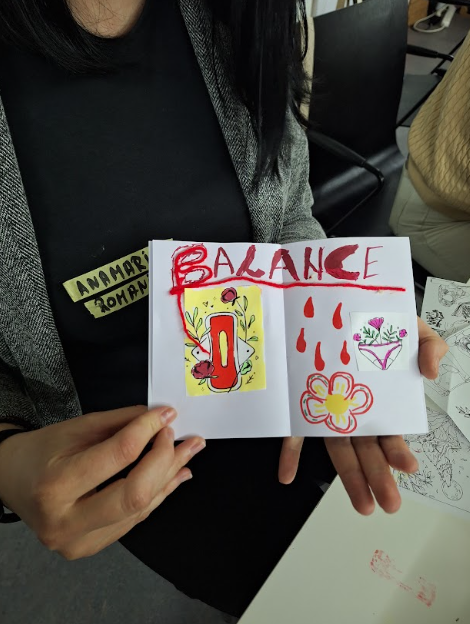
Following this introspective session, the atmosphere shifted into a creative and social space. Participants took part in a hands-on activity, crafting bracelets and other small items while continuing conversations in a more relaxed setting. The event also featured snacks, drinks—including Bloody Marys with and without alcohol—and small goodies, adding a celebratory touch to the evening.
The workshop welcomed women from at least ten different countries, reflecting the global spirit of the upcoming campaign. Participants shared a common interest in menstrual health and women’s issues, as well as a commitment to actively contributing to the campaign. As part of this involvement, attendees embraced the opportunity to have their voices—and images—shared on social media, helping amplify the message to a wider audience.
Ultimately, the April 14th workshop was more than just an event; it was a step toward normalizing conversations around menstruation and fostering a sense of global solidarity. By blending education, creativity, and community, Pangaea Youth Network set the stage for a campaign that seeks not only to raise awareness but to transform the narrative around menstrual health—one word, one voice, and one story at a time.