SIDE of Intelligence – AI Literacy, Ethics, and Youth Work in Practice

PYN joined an Erasmus+ training course to strengthen youth workers’ AI literacy and critical thinking so we can support young people to use AI responsibly and confidently in everyday life.

SIDE of Intelligence – AI Literacy, Ethics, and Youth Work in Practice

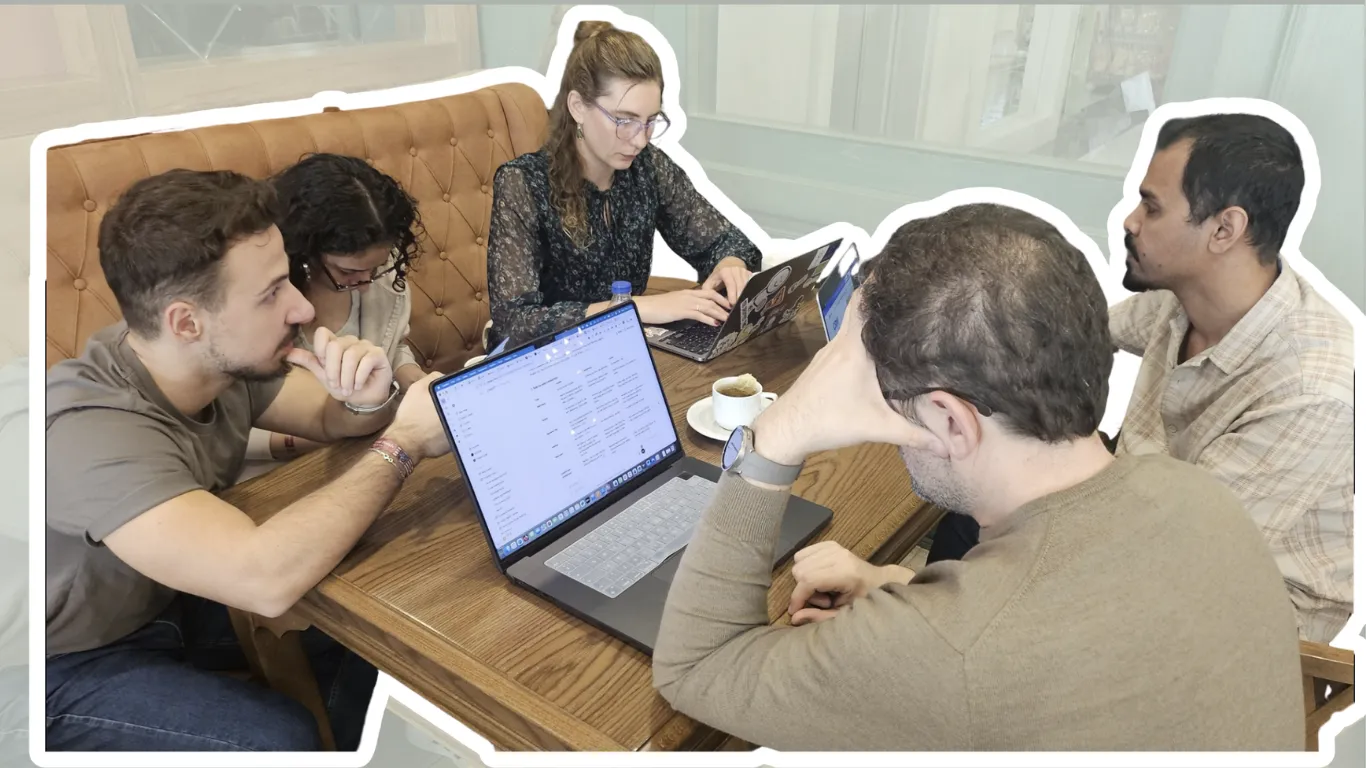
Artificial intelligence is already part of young people’s daily lives — in school, social media, work, and the information they consume. That’s why Pangaea Youth Network joined the Erasmus+ training course “SIDE of Intelligence – Awareness, Ethics, and the Human Factor in AI”. The focus was not only learning new tools, but understanding the human side of AI and how youth workers can use it in a responsible way in non-formal education and youth work. 

During the training, youth workers explored practical AI tools and tested ways to use them in youth work activities — while also discussing risks, ethics, bias, privacy, misinformation, and how to keep young people safe and empowered in the digital world. A key message throughout the course was that AI should support youth work — not replace human connection, trust, and participation

For PYN, this learning is directly linked to our local work in Horsens with local and international youth aged 15–30, including VIA students and young people who are new to Denmark. The PYN team returned with new ideas for youth-friendly workshops on AI literacy and critical thinking — and with stronger confidence to guide young people through real situations: how to check information, how to use AI tools without losing their own voice, and how to make responsible choices online.

Main Takeaways:

PYN strengthened youth work skills in AI literacy and critical thinking to better support young people in a fast-changing digital reality. 

The training connected AI tools with ethics and the human factor, helping youth workers use AI in a responsible, youth-centered way. 

PYN will bring this learning back to Horsens through local youth activities that build confidence, safe digital habits, and stronger participation.

Digital skills matter most when young people stay in control of their choices.
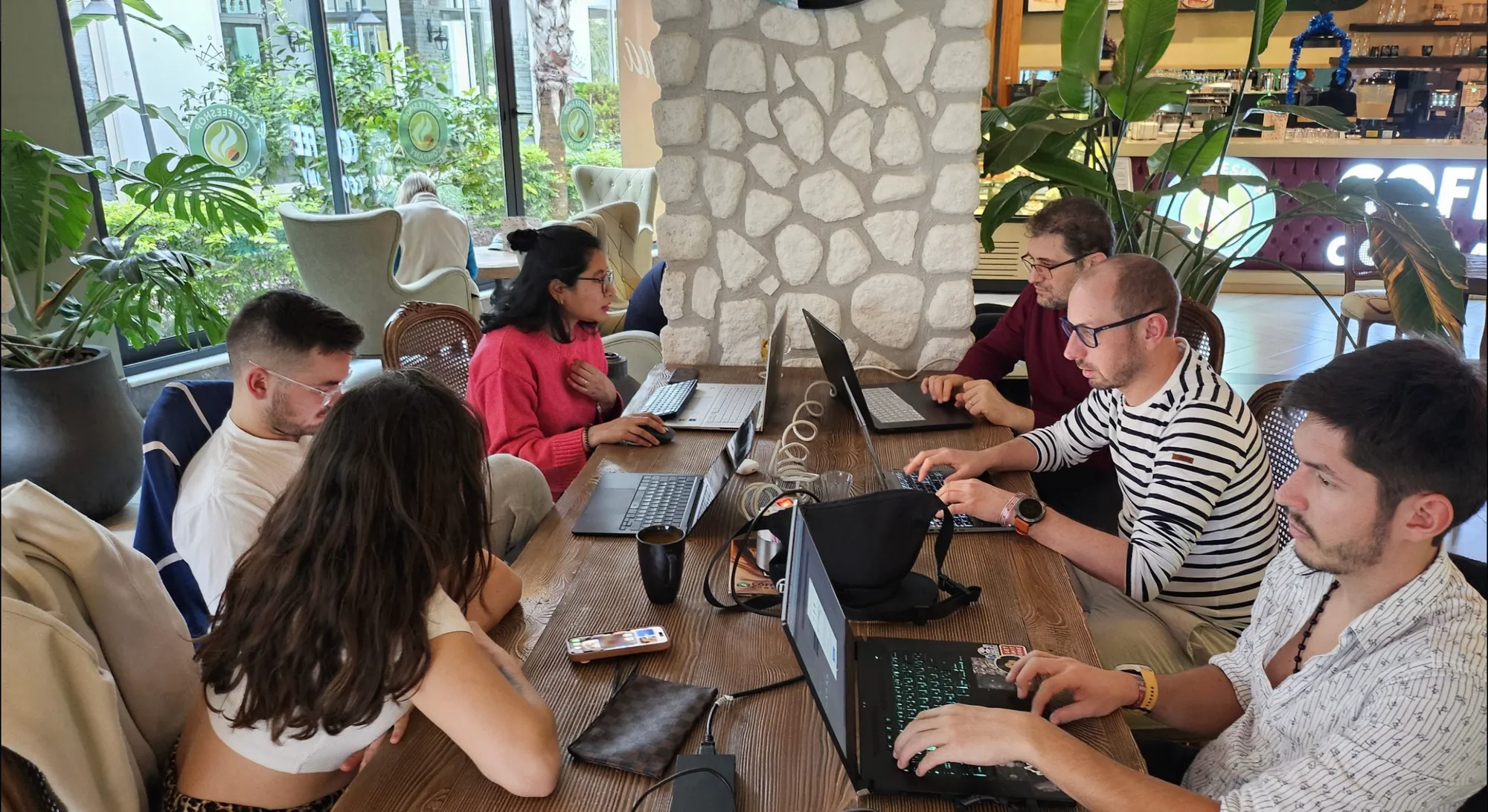
Digital skills matter most when young people stay in control of their choices.

Why It Matters

Youth work is about helping young people navigate real life — and right now, AI is part of real life. Many young people use AI tools daily, but not everyone has the same support, guidance, or confidence to understand what AI is doing “behind the screen.” That can increase inequality, confusion, and vulnerability to misinformation or manipulation. Youth spaces like Pangaea Youth can fill this gap by offering learning that is practical, safe, and non-judgmental.

This training strengthened PYN’s capacity to run youth-friendly activities that connect digital literacy with well-being, participation, and inclusion. When young people understand AI better, they can make smarter decisions, protect their privacy, keep their own voice, and participate more actively in society. That is also local community impact: youth who feel informed and confident are more likely to engage, connect, and contribute in Horsens — online and offline. 

Strong youth work keeps technology human. Critical thinking, safe spaces, and youth voices first.
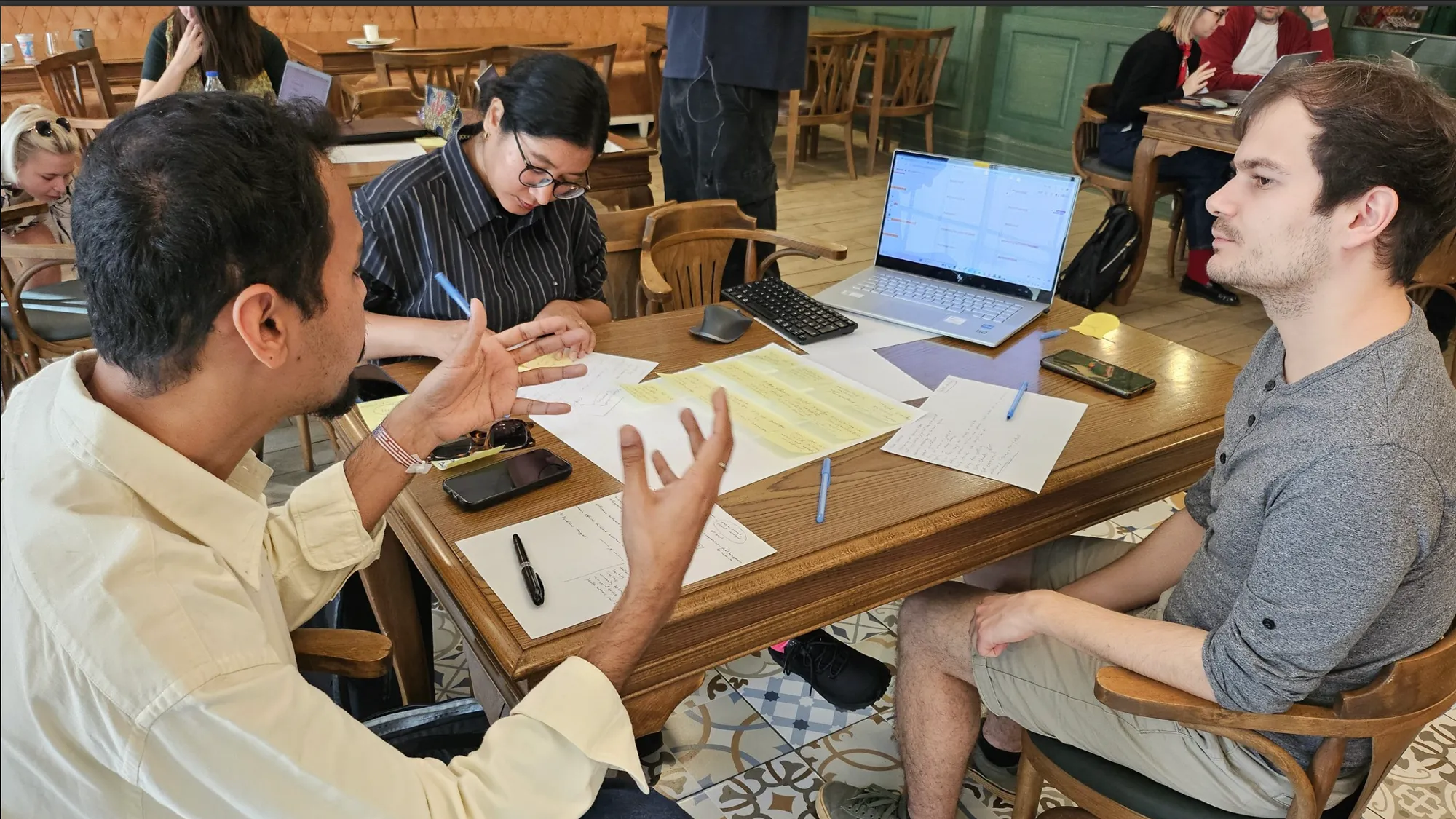
Strong youth work keeps technology human.  Critical thinking, safe spaces, and youth voices first.
Explore full project results

Read the complete outcomes, resources, and materials from this project on the partner website.

Read full project outcomes

You might also like…